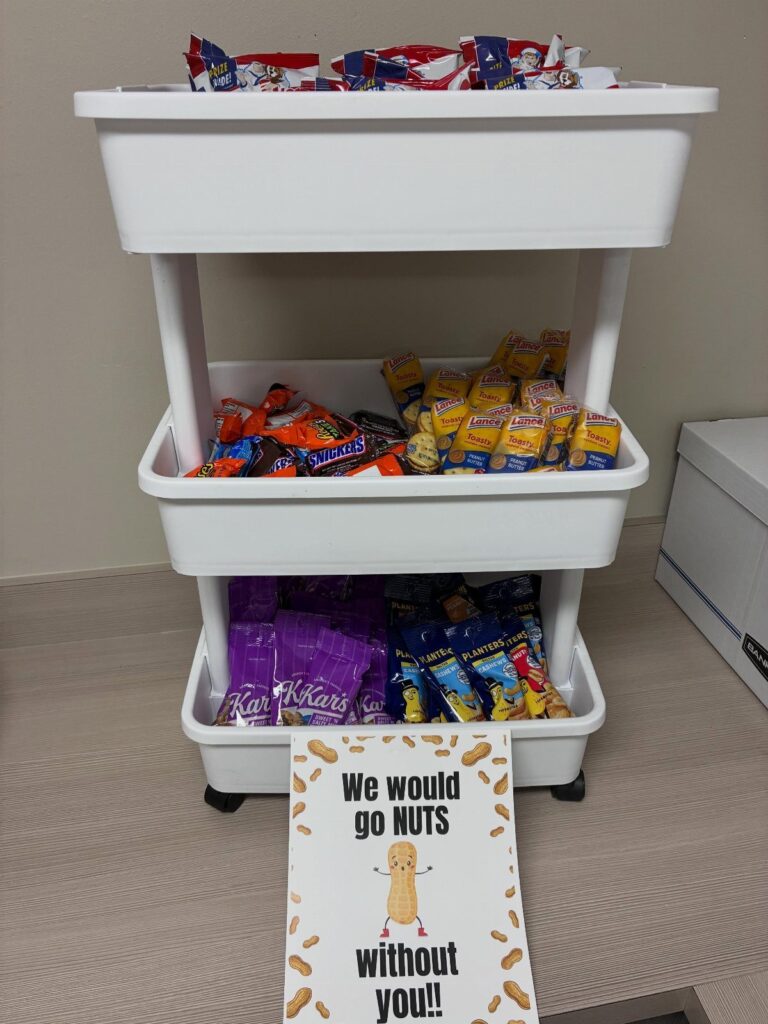
What decides the gift is the facility’s rule, not the resident’s taste: nursing homes limit the size or materials of what comes through the door, and a resident’s care plan may restrict food.
The list runs from homemade gifts and personalized pieces to a snack basket, stationery and journal sets, a plush throw, a jigsaw puzzle, a potted succulent and an indoor gardening kit, and a few of them cost very little.
A quick call to the front desk or the activities staff comes first; after that, I’d pick the idea that fits the facility’s rules and the person you’re buying for.
1. Homemade Gifts
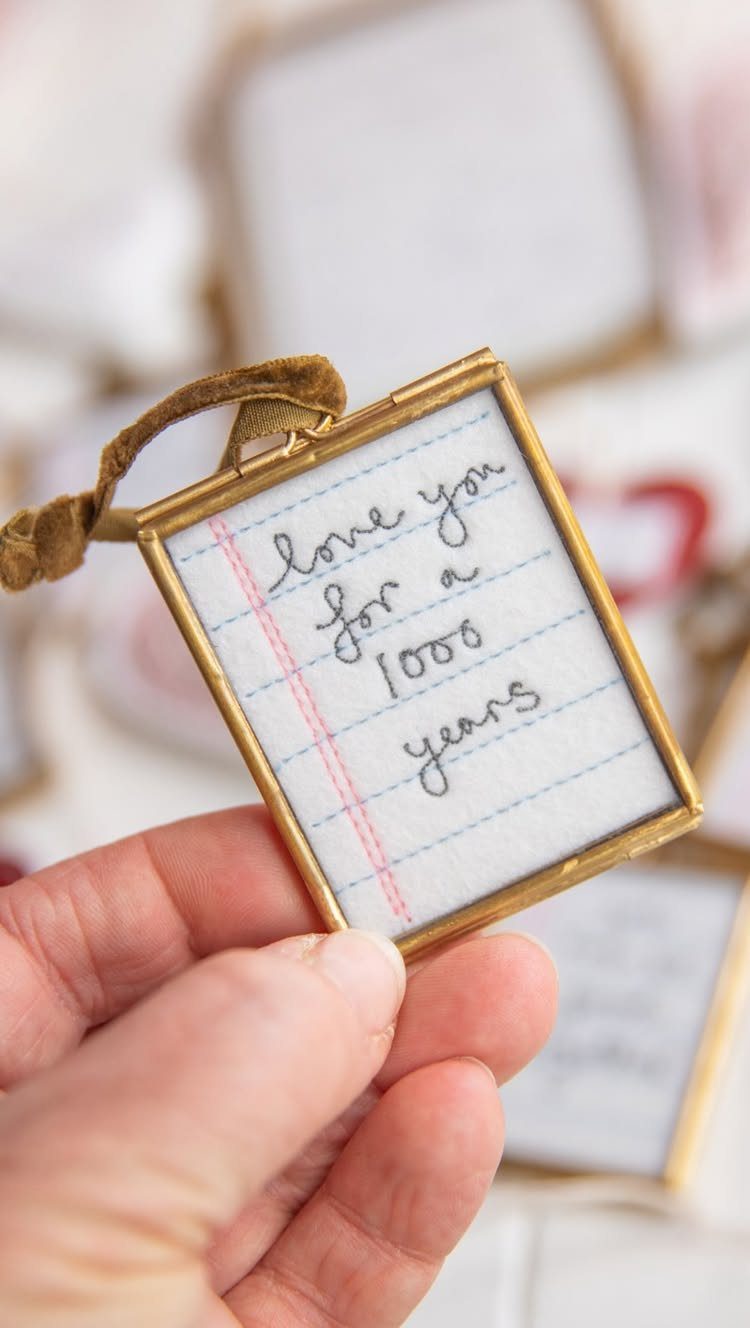
A small embroidered piece, stitched with a short message on a hoop or a framed scrap of fabric, gives a resident something to keep on a shelf or windowsill.
Pick words they would actually say, or a line from you, and keep it short enough to stitch in one sitting.
Gold frames suit a room better than a hoop, since they stand up on their own.
Write the words by hand on lined paper, or use a handwriting-style font, so the message reads like a personal note instead of a printed card.
Cost stays low: thread, fabric and a frame.
2. Personalized Gifts
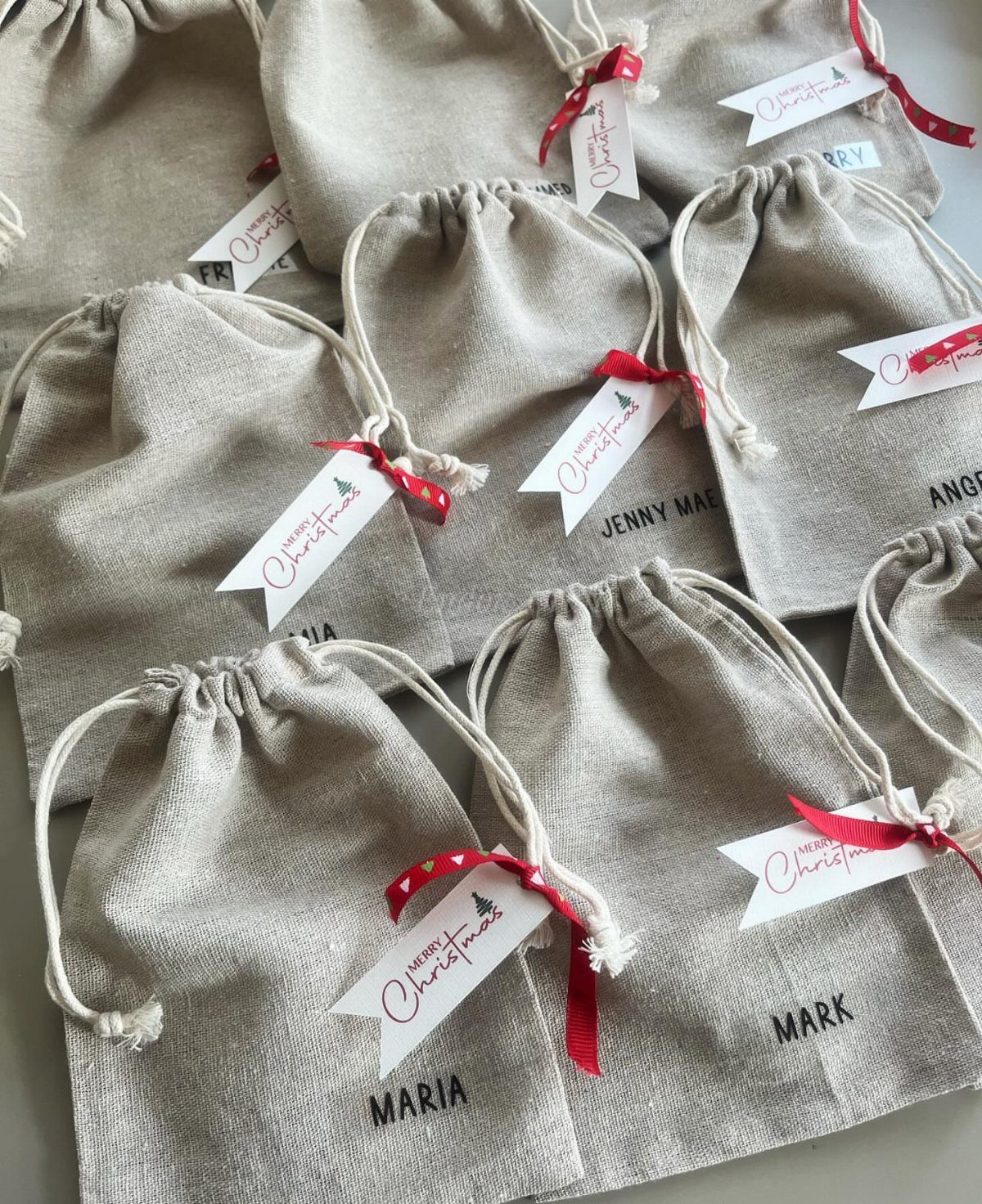
Names on the gift change who it feels meant for, and in a facility where many items look alike, that matters.
A linen drawstring bag with a resident’s name on the tag is easy to spot and hard to mix up.
I would buy one bag per person and fill each with something small they like. Write the names in clear block capitals so staff and visitors can read them at a glance.
For a milestone, add a year or a short memory to the tag.
3. Gift Baskets with Snacks
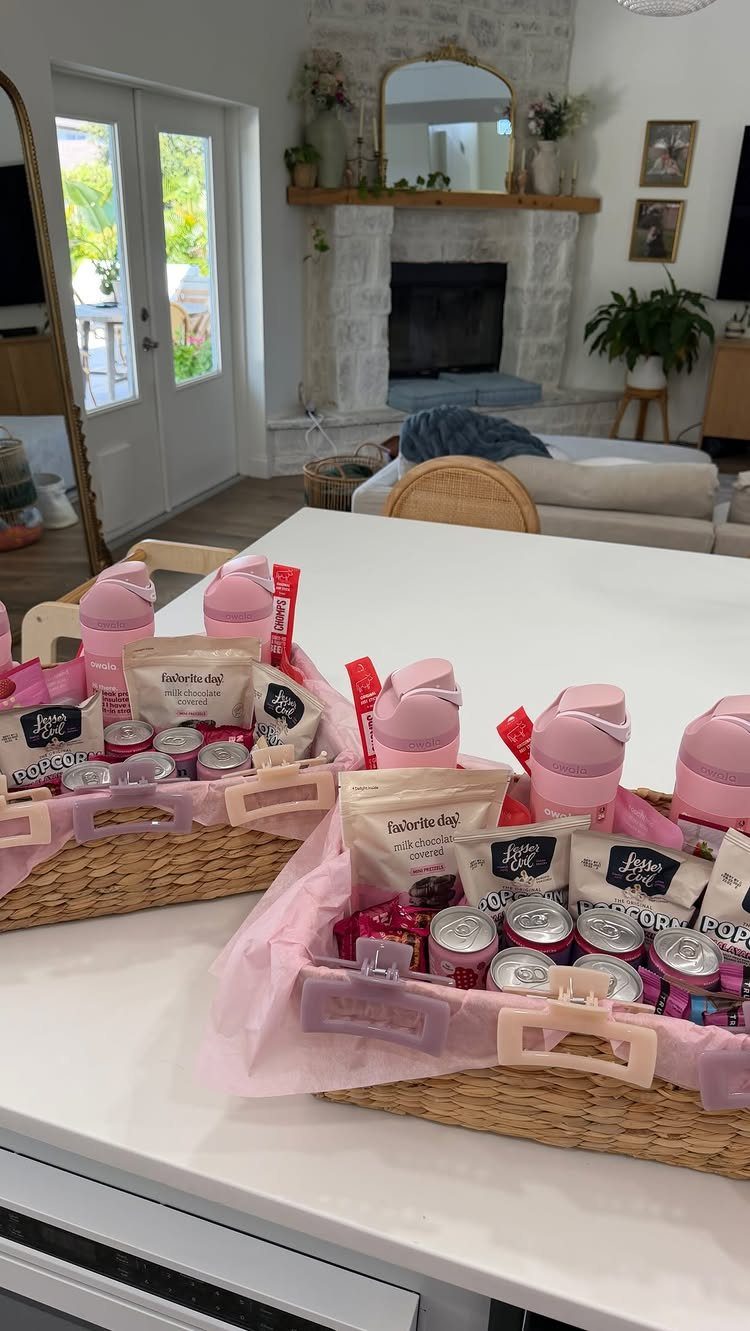
Snacks in a woven basket come together fast, and a basket keeps everything in one place on a counter or nightstand.
Pair a reusable water bottle with a few packaged treats, such as popcorn or chocolate covered milk, and you have a gift with something to sip and something to share.
Buy items in sealed packaging. Read labels before you shop, because some residents follow restricted diets, and ask staff if you are unsure.
4. Stationery and Journal Sets
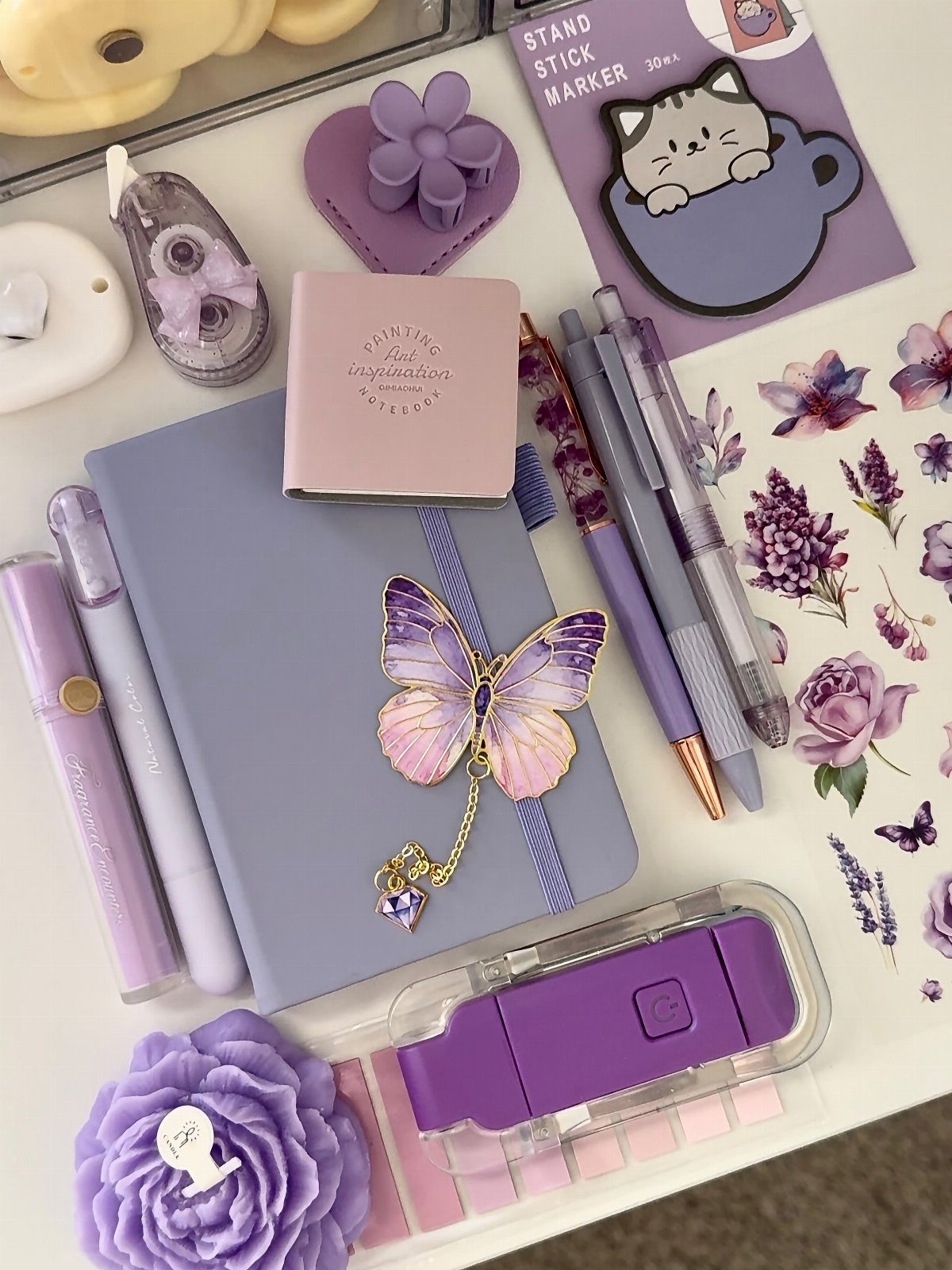
Stick to one color and the set looks chosen rather than gathered.
A notebook, a few pens and a small themed pad or marker set all read as a matched gift when they share a shade, and a charm on the cover adds a small decorative touch.
Choose a notebook theme that fits the person, like art for a painter. Pick pens that write smoothly without pressing hard.
Add stamps and a few envelopes if you want them writing letters.
5. Plush Throw Blankets
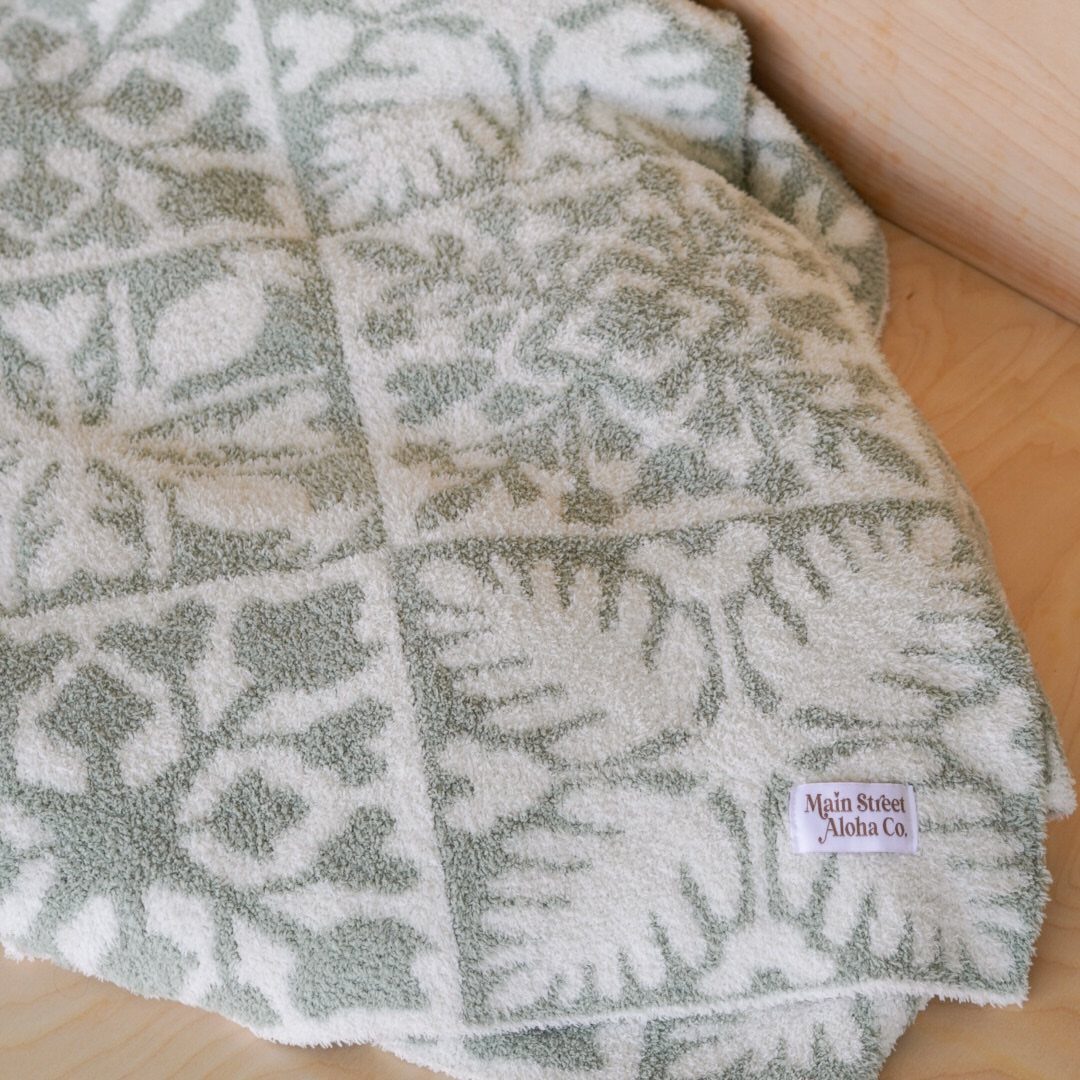
A plush throw works best when the pattern feels cheerful but calm, and a sage green and white leaf print does that without shouting.
Softness decides this gift, so touch the throw in a store before you buy, or pick an online listing that names the material, such as microfleece, sherpa or chenille.
I would pick a throw sized for a lap or a chair, not a bed. A label sewn in with the person’s name helps it come back from the laundry.
6. Jigsaw Puzzles

A puzzle with a bold, bright scene gives a resident something to look at even before the first piece goes in.
A neon bowling alley with plenty of colorful balls, signs and drinks has many distinct areas, which makes sorting pieces easier.
Choose the piece count with care: a smaller count suits tired eyes or hands, and a larger one suits a serious puzzler. Leave a tray or board so the work can sit on a table between visits.
7. Potted Succulents or Plants
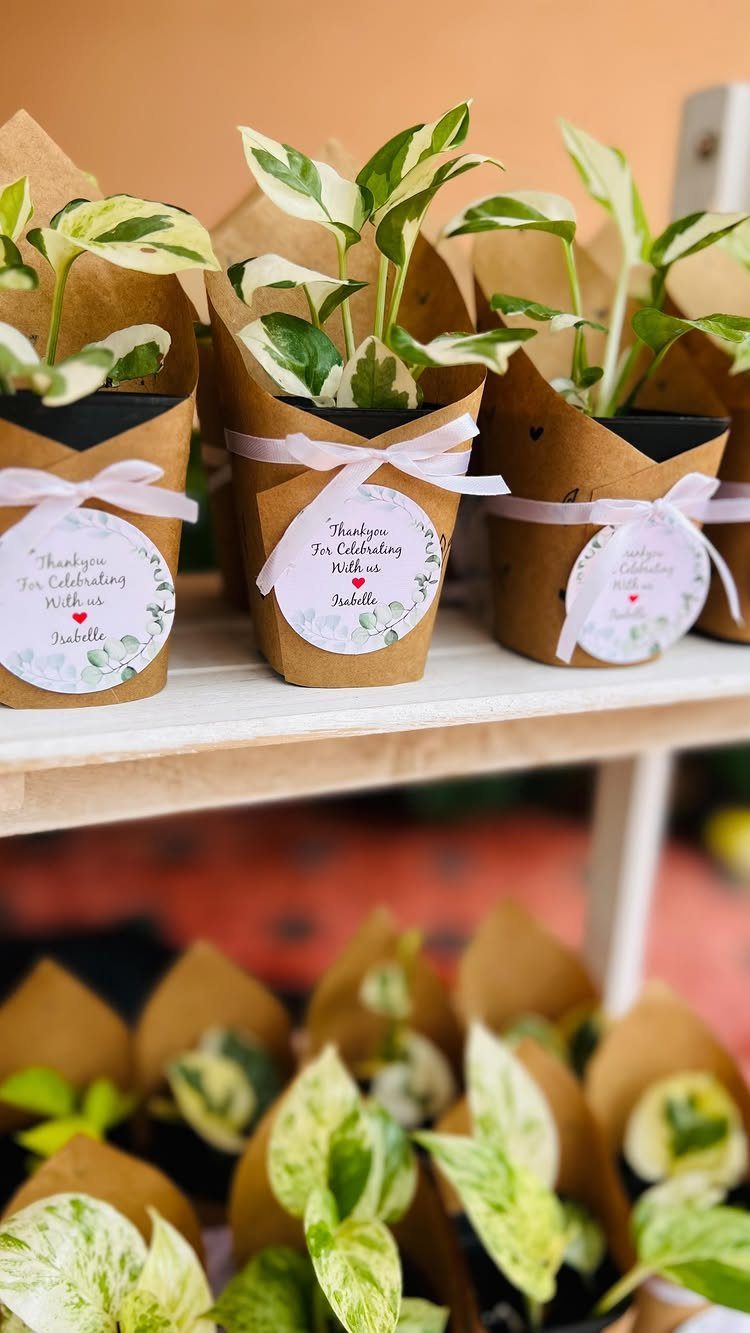
Small plants wrapped in brown paper and tied with white ribbon look finished before you add anything else, and a paper tag turns each pot into a keepsake.
Give one per resident, with the name written on the tag in clear block capitals.
Variegated leaves, with their mixed green and cream, give a small plant more to look at on a windowsill.
Pick plants small enough for a nightstand or a shelf, and ask staff before you hand them out, since some rooms have limits on plants.
8. Indoor Gardening Kit
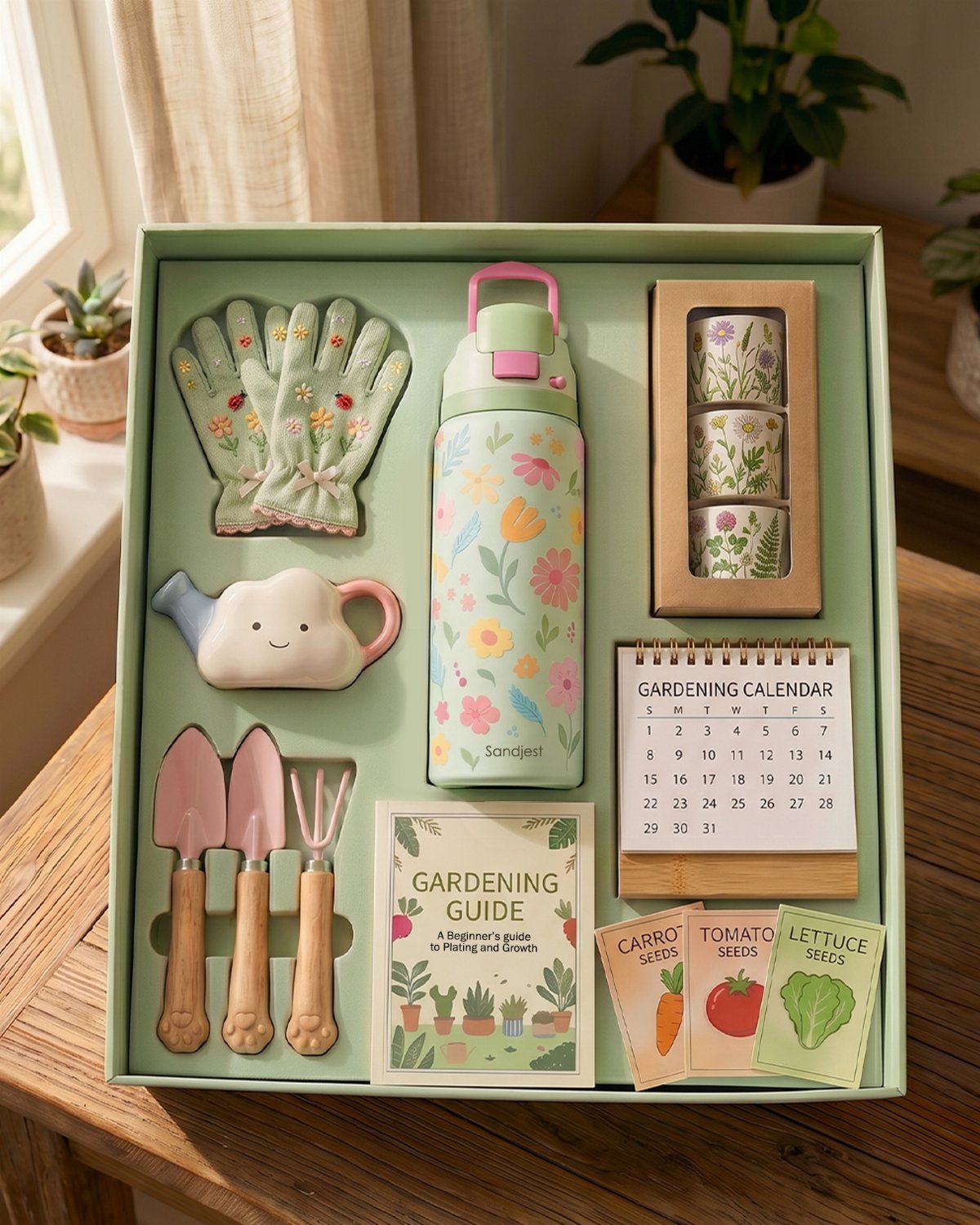
A boxed kit with gloves, small hand tools, seeds, a watering can and a gardening guide gives a resident a project that starts the moment the lid comes off. Because everything arrives together, nobody has to hunt for supplies.
I like a kit with a booklet and a calendar, since the steps and dates are right there to follow.
Check that the tools are light and easy to grip, and look over the box before buying to see what it holds.
A table by a window is the natural spot to set it up.
Consider Personal Preferences
Start with what the person already does all day. A resident who hums along to the radio, plays cards or sews will use a gift tied to that habit far more than a generic one.
Music lovers may like headphones or a CD player. For someone comfortable with technology, a new gadget can be a good fit.
A small custom touch shows you paid attention.
Photo gifts land well here: a deck of playing cards printed with a family picture on the back, or a jigsaw puzzle made from a shot of a place or an occasion they loved.
A sewing or art bag with their name on it suits a crafter, and a personalized planner gives a journal keeper a place to track the day.
Finding the perfect gift for a loved one in assisted living or a nursing home means balancing thoughtfulness, practicality, and personal touch. From scrapbooks and framed photos to smart speakers and hobby kits, the best gifts bring comfort, connection, and joy.
Keep Nursing Home Regulations in Mind
Call the facility before you shop. Nursing homes set rules to keep residents safe, and most have limits on the size or materials of a gift.
Ask the front desk or the activities staff what is allowed, and get the answer before you spend money.
I steer clear of strong fragrances and gadgets with tiny buttons or complicated setup. Food is the other one to check, since a resident’s care plan may restrict it.
If a gift you love is ruled out, ask staff what they would suggest instead. They know the residents and the building, and they can usually point you to something that fits.
Gifts That Promote Connection
Some of the best gifts are not objects. A handwritten letter or card tells someone they are thought of often, and it can be reread long after you leave.
Time together counts as a gift too. Play the songs they love, eat a meal at their table, read a chapter aloud, or ask for the old stories.
A framed keepsake keeps that connection in the room. Family photos, nostalgic memories or a certificate can all go on display.
Small practical items can carry the same warmth when they feel personal.
Everyday comforts add up, so think of a lotion they already like, a pair of goofy socks, or a calendar filled with family photos they can flip through each month.
Frequently Asked Questions
What do nursing home residents like as gifts?
Gifts tied to what the person already does each day go over best: a deck of cards for a card player, a sewing bag for a crafter, music for a listener.
A personal touch, like a name on the tag or a family photo printed on a puzzle or deck of cards, shows you paid attention.
Time together, a handwritten letter or a shared meal can mean as much as any object.
What do nursing home residents need most?
Comfort items and small useful things top the list: soft blankets, hand cream, non-slip socks, tissues, pens and puzzle books.
Residents usually have their basic care covered, so items that add comfort, give them something to do or carry a personal meaning fill the real gaps. Check with staff first, since some items may be limited.