What decides the pick is what the person already owns: if you can’t say, choose something that gets used up, like gourmet food, or something you do together, because a gift that adds a second copy of anything lands on a crowded shelf.
The ideas here run from a hand-labeled "Open when" box, where the note matters more than the contents, to designer accessories that can climb well past a moderate budget.
Between them sit a jellyfish lamp, a cordless screwdriver kit and an acrylic flower pot calendar.
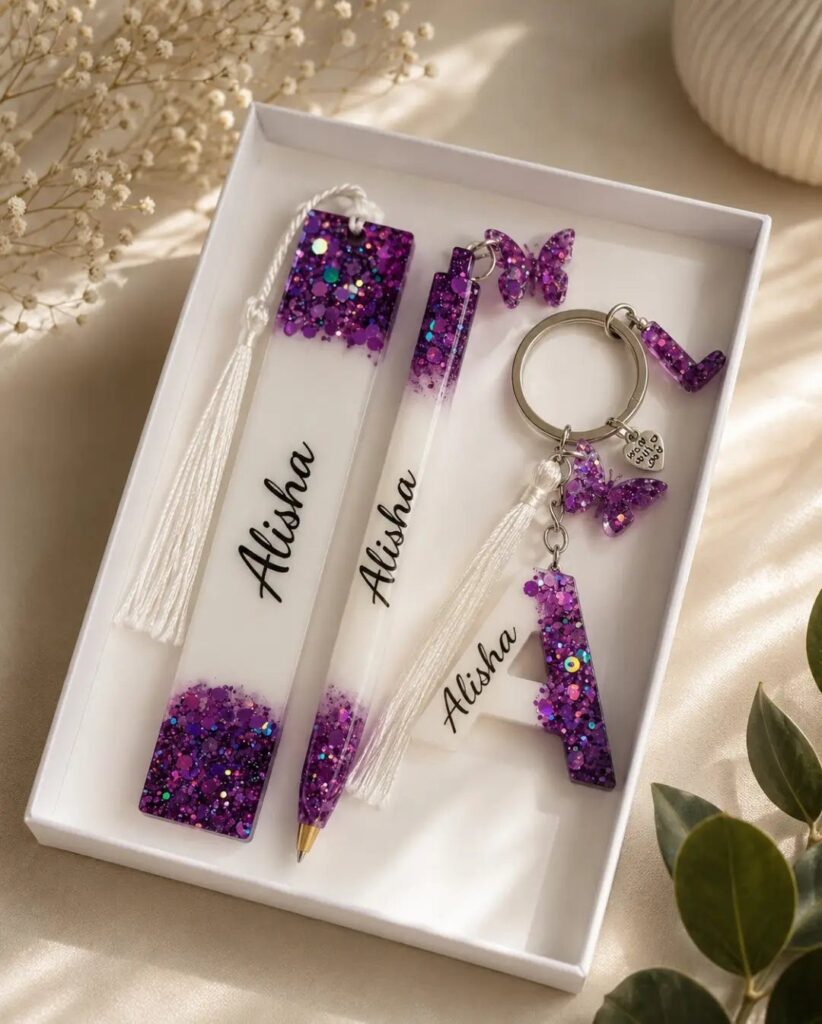
1. Personalized Gifts
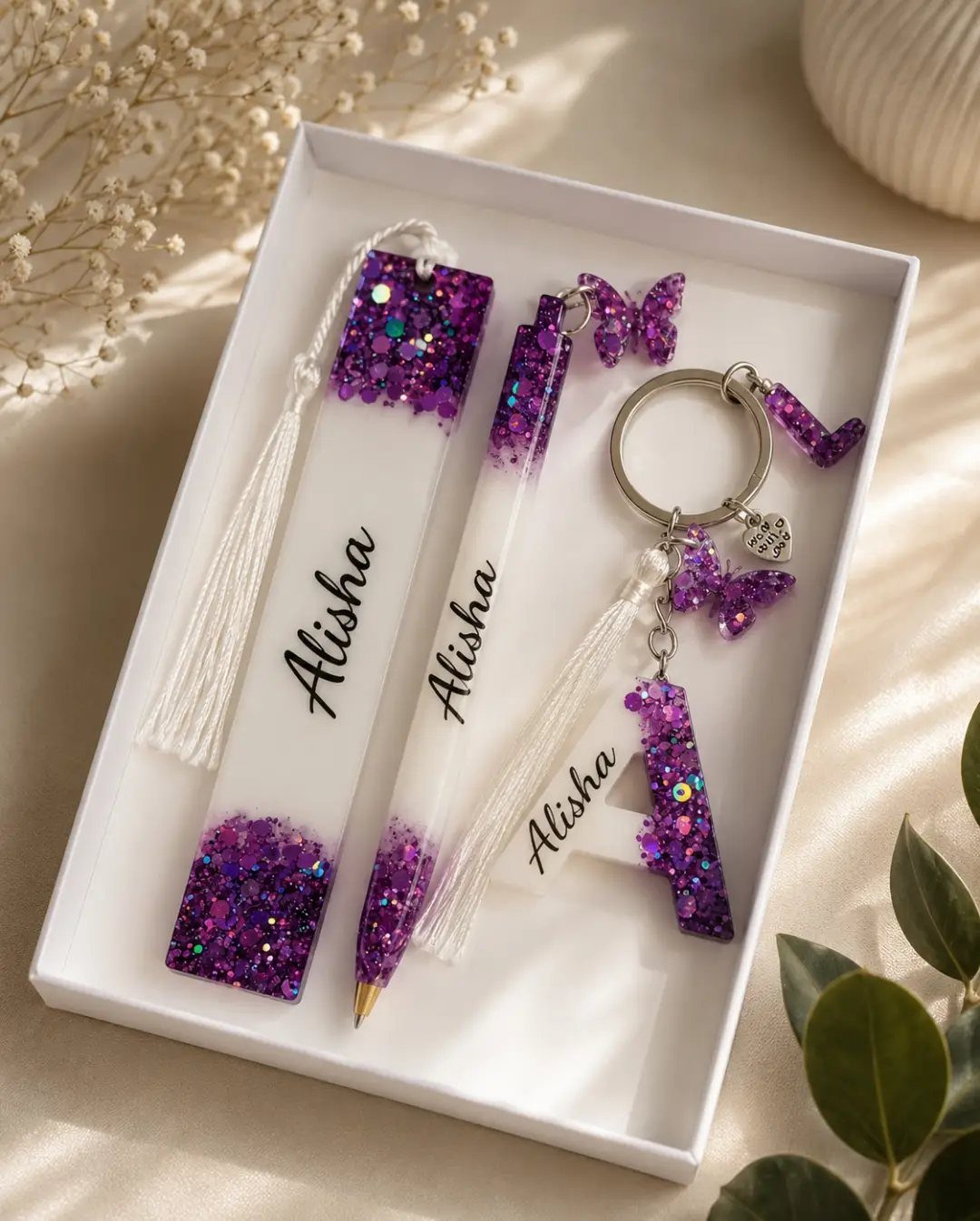
Because the pieces are small, the budget stays moderate.
Pick a color the person already wears or decorates with, and spell the name right before you order. A set like this works best for a reader, a student or a desk-bound coworker, since all 3 items get used daily.
2. Gourmet Food Gifts

Chocolate covered strawberries and truffles in a black box with a bow say "treat" without adding anything to a shelf that is already full. Food gets eaten, so the person who owns everything ends up owning nothing new.
I would pick a box with a mix of textures over one big flavor, and a plain, dark presentation like this one looks more grown-up than a ribbon-heavy basket.
Check for nut allergies before buying, and plan to deliver it close to the day you give it.
3. Curated Items
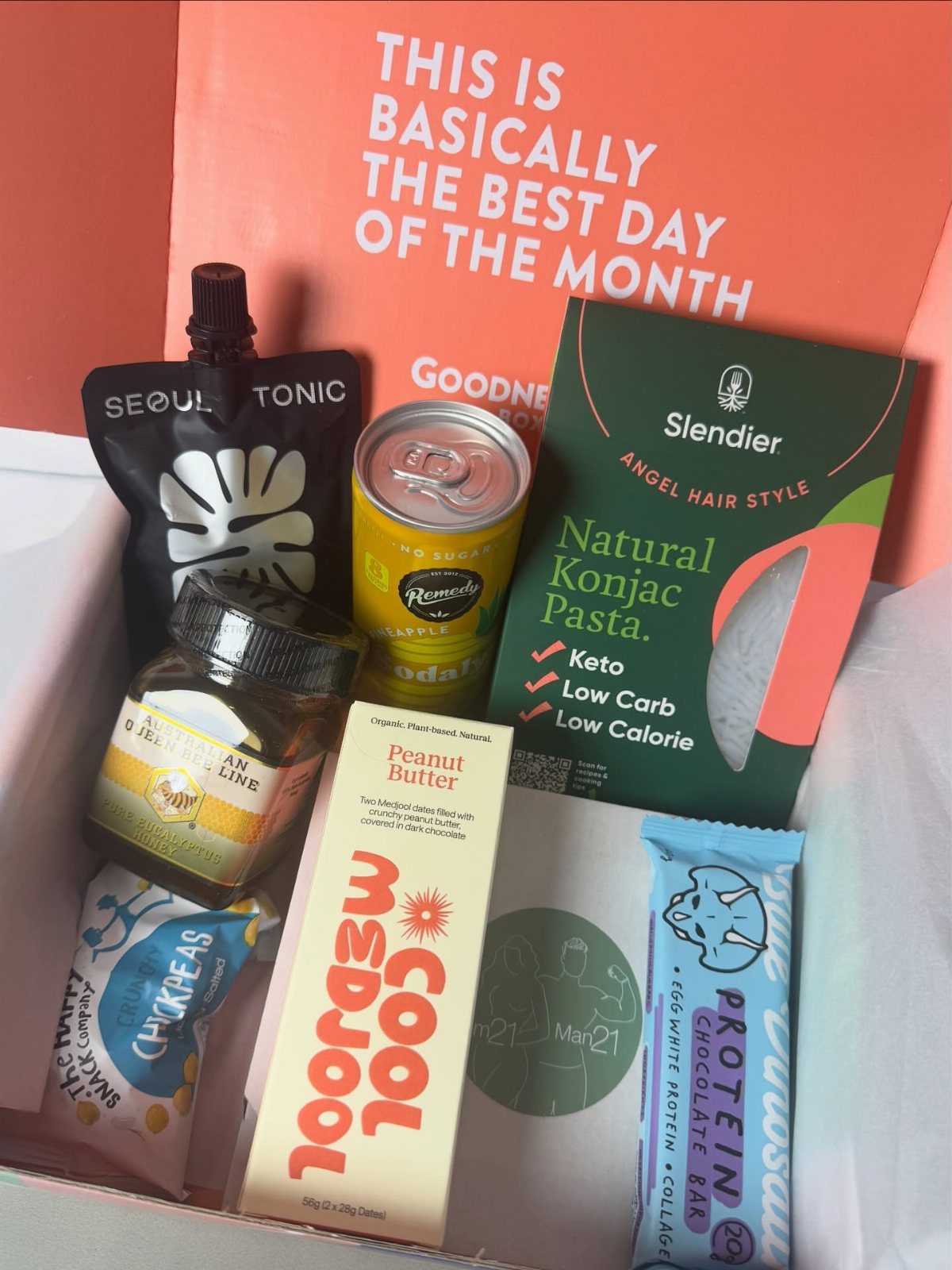
A subscription box ships on a schedule, so one purchase becomes a small surprise each month.
A box packed with snacks and drinks suits a person who likes trying new things at the pantry level, and it works well for anyone who already owns plenty of objects.
Match the theme to something they already love: snacks, tea, coffee, skincare.
Then pick the length of the subscription, since a shorter plan costs less up front than a full year. Look for a lid message that fits the person, because the printed line is half the charm.
4. Custom Cookbook
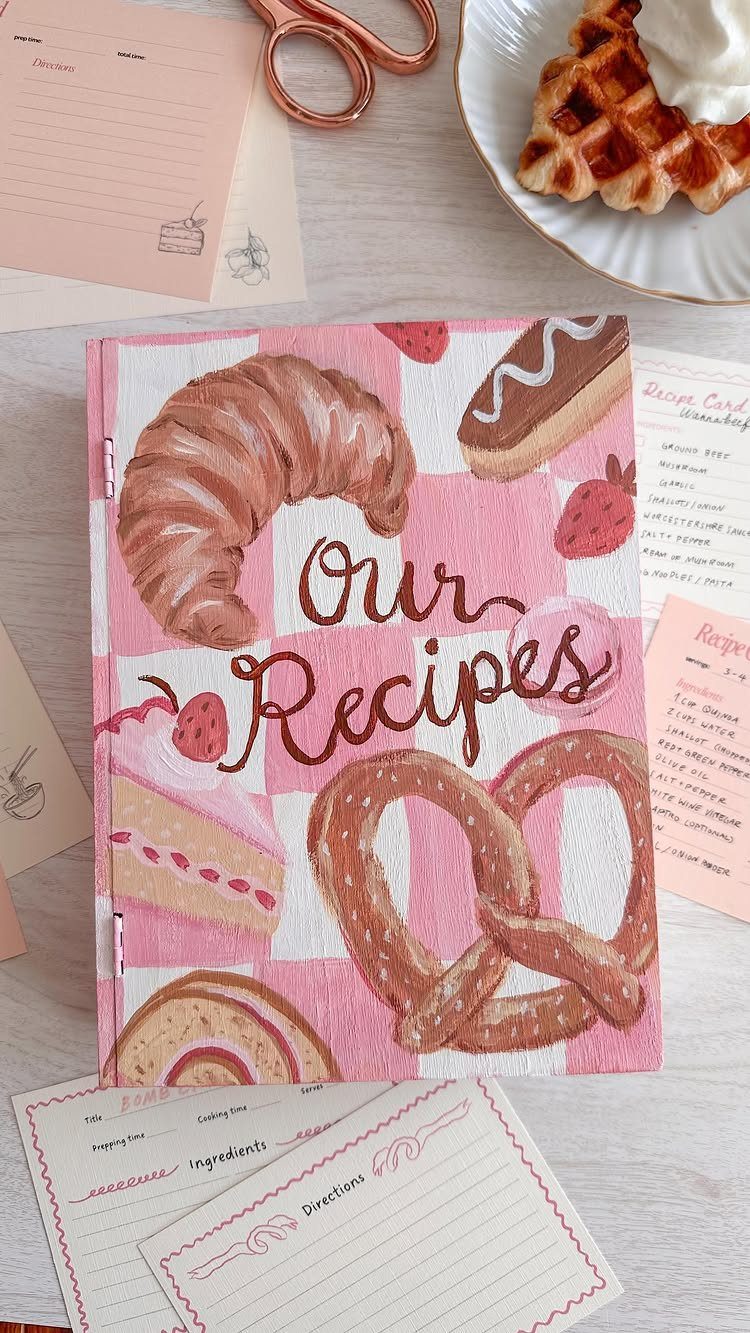
A hand-painted cover and a title like "Our Recipes" make a cookbook feel like a family heirloom before anyone opens it. The pages are the real gift: favorite dishes collected from friends and relatives, each one with a name attached.
Ask contributors early and request the recipe plus one sentence about why they make it.
Blank recipe cards are an easy way to gather them, and you can tape or paste the finished cards into a pink checkered binder like this one. Expect to spend more time than money.
5. Designer Accessories
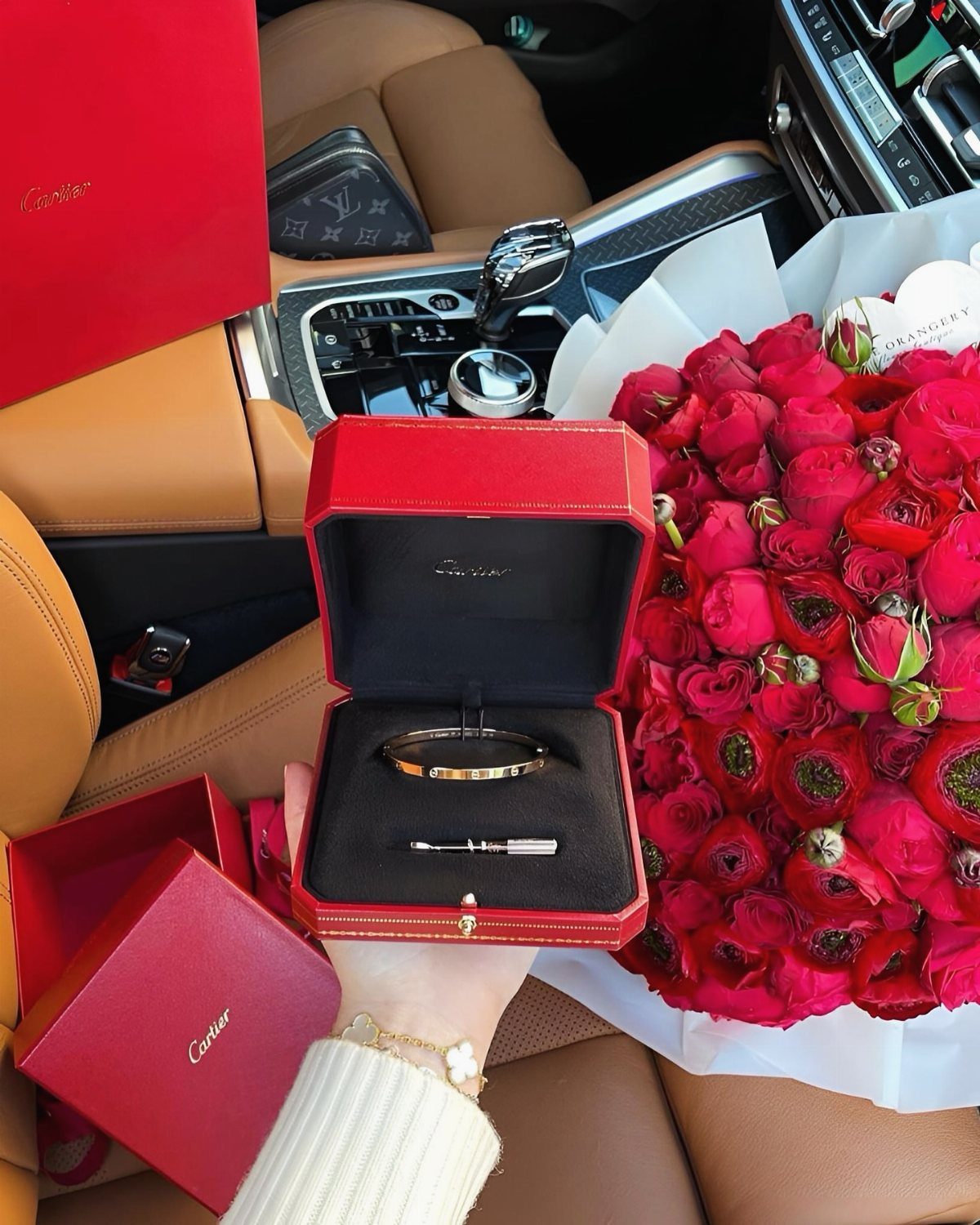
A gold bracelet or ring is the kind of thing a person with everything still tends to wear, though it costs well above a moderate budget.
If the price is a stretch, choose one small piece over a set.
Keep the box, since the packaging is part of the gift. Skip this one for anyone who dislikes jewelry or wears only a few pieces.
6. Whimsical Jellyfish Lamp
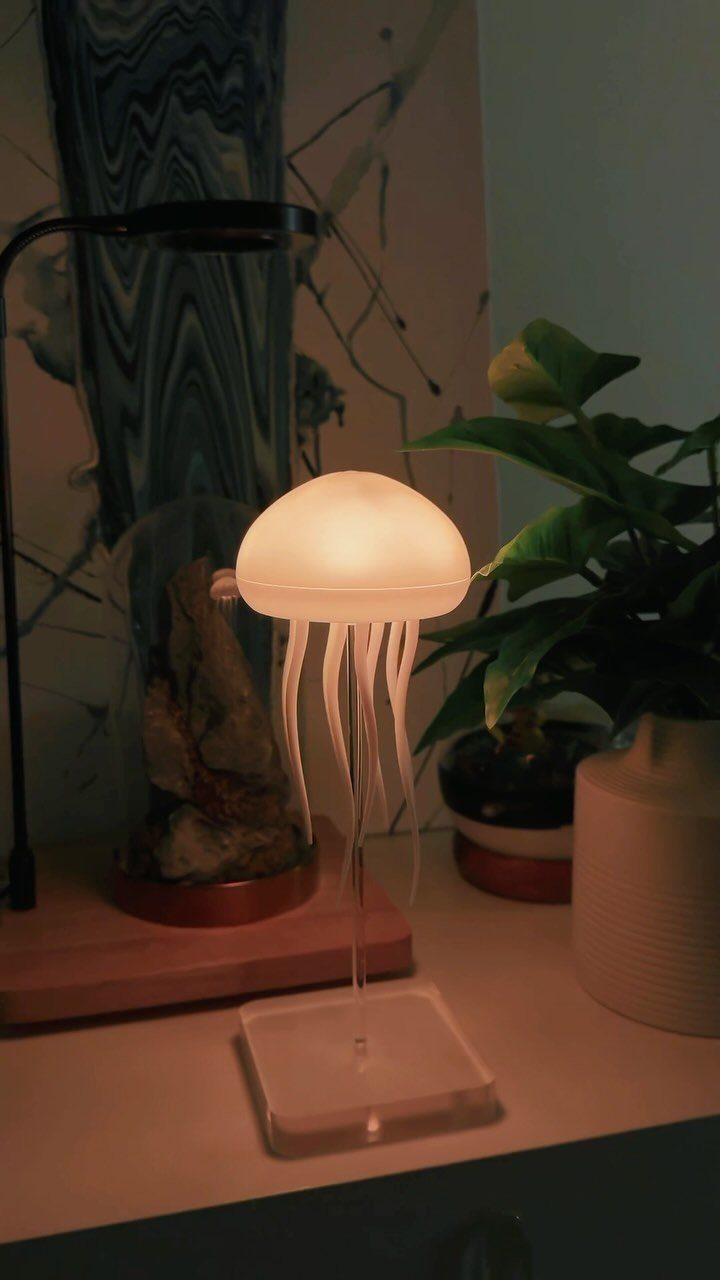
Glowing softly on a table, a jellyfish lamp works as a night light and as a small piece of decor in one. Nobody owns one already, which is why it suits a person who seems to have every ordinary thing.
I like it best in white, set beside a plant, where the glow stays calm.
It fits a desk, a nightstand or a kid’s room. Check the cord or power source before buying so it reaches where it will sit.
7. Acrylic Flower Pot Calendar
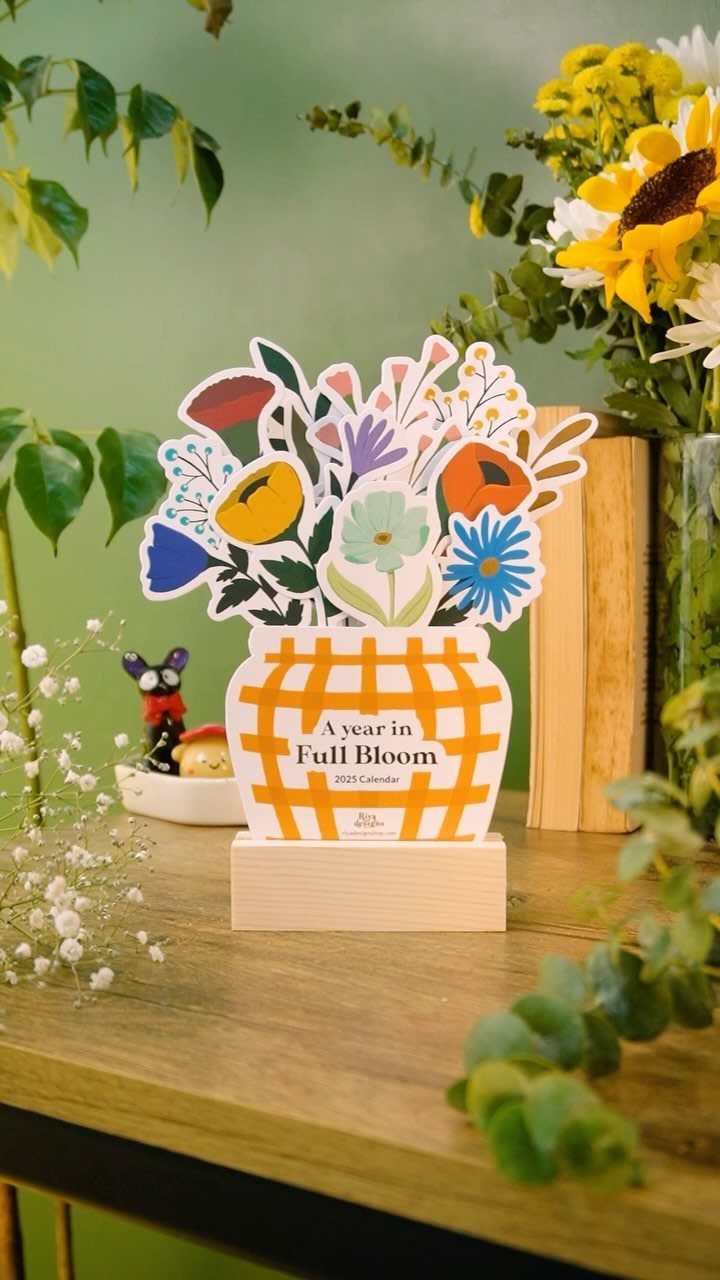
Twelve months sit inside one small flower pot, so the calendar works as a desk object first and a date keeper second. Layered acrylic on a wooden base gives it some depth, which a flat paper pad never has.
Buy it for someone with a desk, a home office or a shelf near the kitchen.
Check the year printed on it before you order, since this one reads 2025 and a calendar is only useful for its own year. Give it in late fall and it doubles as a New Year gift.
8. Open When Gift Box
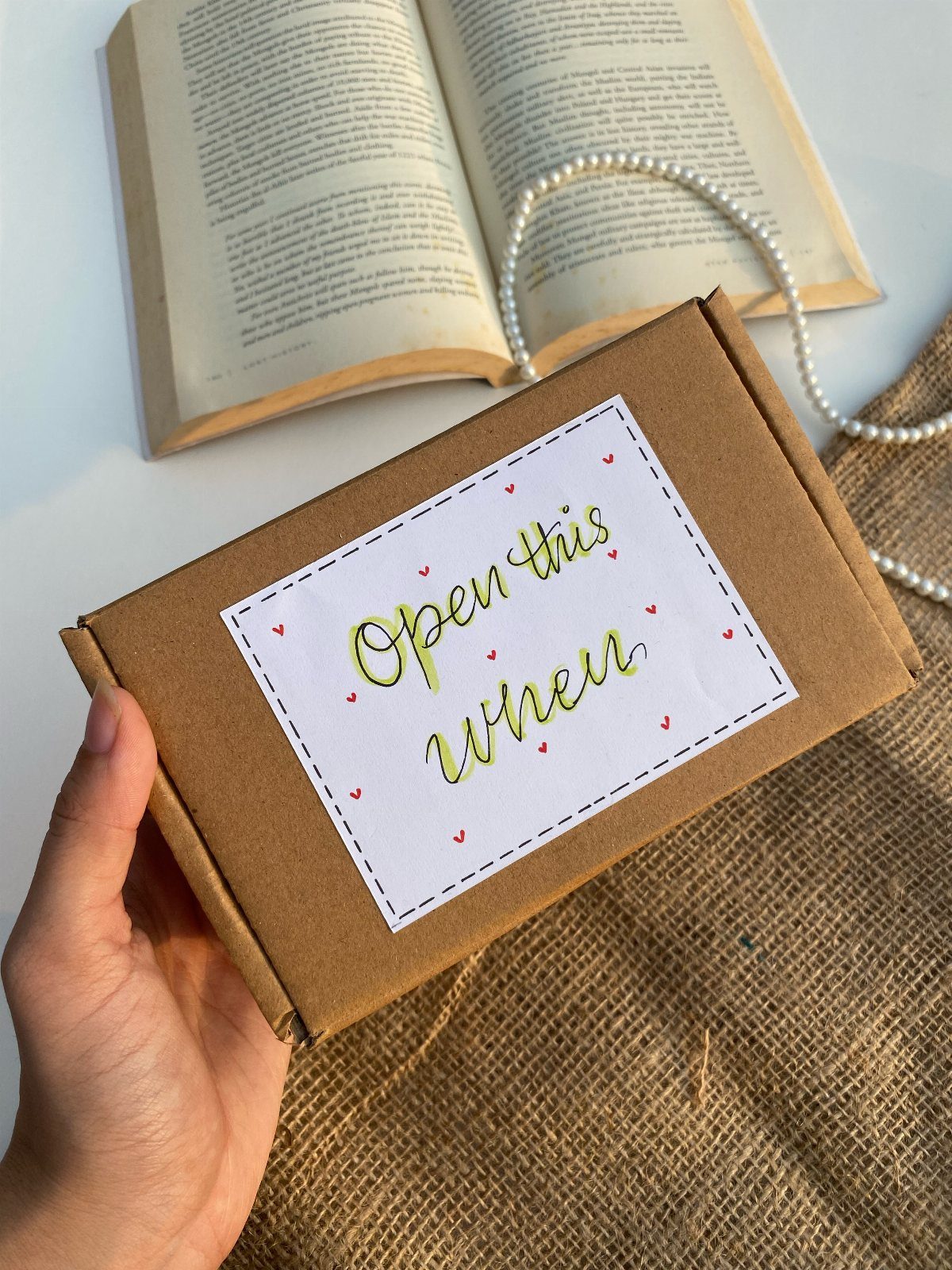
Small, plain and labeled by hand, an "Open this when" box lets you decide in advance what the person gets on a hard Monday, a birthday or a big milestone.
Costs stay low because the value is the note, not the contents.
Put in something tiny to match, like a handwritten letter or a favorite tea bag. Write the labels last, once you know what is inside.
9. Destination Travel Book Set
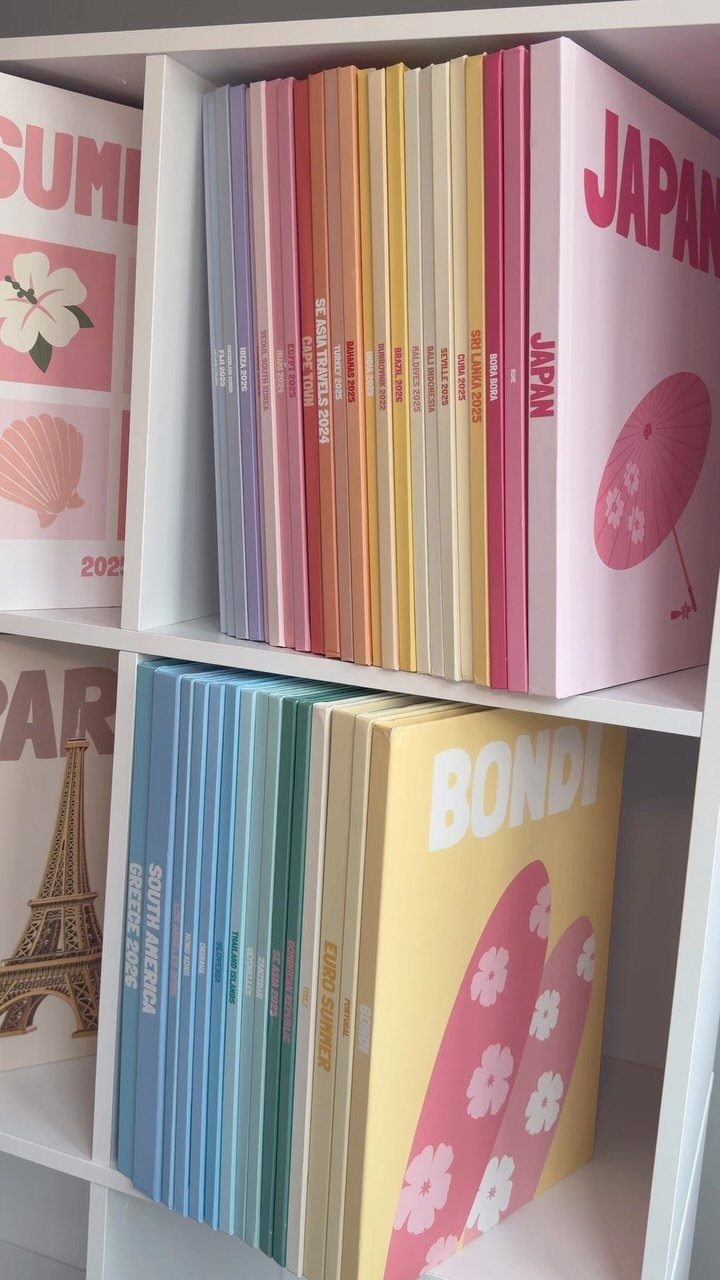
Travel books with one place per spine, such as Japan or Greece, turn a shelf into a record of trips taken and trips planned. Simple covers in bright colors keep a row of them looking tidy instead of cluttered.
This suits a couple, a friend who travels often or a parent with years of photos sitting on a phone.
I prefer photo albums to guidebooks here, because a guidebook goes out of date and an album gets filled with the person’s own memories. Add the destination and the year to each cover.
10. Cordless Electric Screwdriver Kit
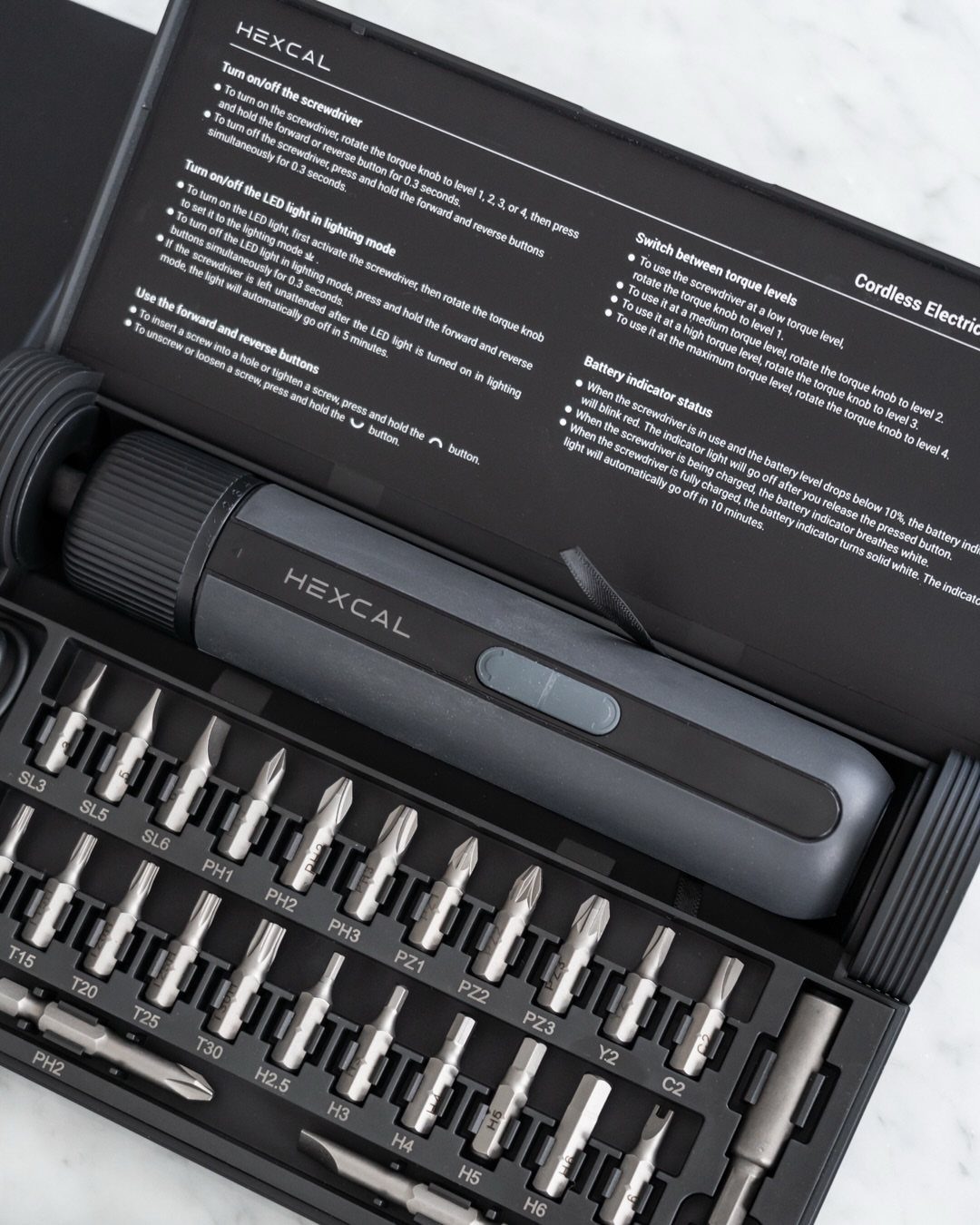
A cordless electric screwdriver in a hard case with sorted metal bits solves the small jobs nobody wants to do by hand: a loose cabinet hinge, a wobbly chair, a flat-pack bookshelf.
The black carrying case keeps every bit in its slot, so the kit fits in a drawer.
It suits new homeowners, renters and anyone whose toolbox holds one rusty manual screwdriver.
Look for a kit that includes a manual and a good spread of bit sizes. Skip it for someone who already owns a full set of power tools.
Importance of Experiences
"Has everything" rarely means the person is fussy. When the useful objects are already owned, anything new either doubles up on something in the house or adds clutter to a space they are working to keep clear.
An experience gets around that. Psychologist Thomas Gilovich of Cornell and his colleagues found that experiences leave people more lastingly satisfied than possessions do.
So pick something you can share or be present for, not just something you hand over. A gift you enjoy together does double duty.
Choosing Thoughtful Gifts
For this person, a gift that feels new counts for more than one with a big price tag. An odd, specific find beats a costly gift they have seen before, so put your time into hunting for the unusual.
When an experience won’t work, 2 other routes hold up well: consumables, which disappear with use, and a donation to a charity in their name. Both avoid adding clutter.
Let them choose, with a gift card or a voucher that lets them pick the date, the place or the item.
If you do buy a physical gift, match it to a detail you know, such as whether they wear silver or gold. A wrong metal sends a good piece back to the store.
Either way, the act of gift-giving itself strengthens any relationship, making your present less about the thing itself and more about making them feel special during the holidays – or even just because.
Avoiding Duplicates
An experience, such as concert tickets, a cooking class, or a weekend away, is the one category of gift that cannot duplicate anything on their shelves, and that is its clearest advantage over a physical present.
Before you buy an object, ask yourself whether they could already own a version of it. If the answer is maybe, choose something else.
Pick the unusual option over the pricey but familiar one. A modest gift they have never seen beats an expensive one they have three of.
When you can’t tell what they own, consumables are the safe fallback, since nobody ends up with a second one on the shelf.
Frequently Asked Questions
What do you buy someone who has everything?
Skip the object and book a night out: concert tickets, a hands-on cooking class or a weekend trip all work.
It is the one kind of gift that can’t duplicate anything already on their shelves. If you can’t make an experience work, consumables and a charity donation in their name also add no clutter.
What are some unique thoughtful gifts?
A jellyfish lamp is a good pick, since it works as a night light and as small decor, and few people own one already.
A hand-labeled "open when" box holds a short letter and maybe a favorite tea bag; the note inside is what people keep. A custom family cookbook, with each recipe credited to the person who contributed it, also feels personal.
What is a timeless gift?
A gold bracelet or ring is the closest fit, since people who own plenty still tend to wear it.
Gold runs well past a moderate budget, so if money is tight, buy one small piece instead of a set. Check whether the person wears silver or gold first, and skip it for anyone who dislikes jewelry.
Why are experiences better gifts than objects?
Research from Cornell psychologist Thomas Gilovich and his colleagues points the same way: the satisfaction from an experience holds up longer than the glow from a purchase.
Pick one you can share or attend together, so the gift does double duty.